Robot vacuums have crossed the line from gimmick to genuinely life-improving — especially in South African homes with tiled floors, shedding pets and dusty summers. But the spec sheets are a soup of pascals, LDS, VSLAM and base-station acronyms.
Here is what each spec actually means for your floors, and which features earn their price.
Suction: What the Pascals Mean
Suction is measured in pascals (Pa). As a working scale in 2026: under 4,000Pa is entry-level and fine for hard floors; 6,000–8,000Pa handles rugs and pet hair properly; 10,000Pa and up — like the Xiaomi H50 generation — deep-cleans carpets and lifts sand out of grout lines, which South African homes near beaches or gardens will appreciate.
But suction is only half the story: brush design matters as much. Anti-tangle main brushes are not marketing — if you have long-haired humans or pets, they are the difference between cleaning the robot every day and every month.
Navigation: The Feature That Separates Good From Maddening
This is where cheap robots fail. There are three tiers:
- Random bounce (avoid): the robot wanders until the battery dies, missing patches and beaching itself on chair legs.
- Gyroscope/camera (acceptable): cleans in rows, gets confused in complex layouts and low light.
- LDS laser (buy this): a spinning laser maps rooms precisely, cleans methodically, works in the dark, and enables the killer features: room-by-room cleaning, no-go zones and virtual walls in the app.
LDS has become affordable enough that there is little reason to buy below it in 2026.
Mopping: From Damp Rag to Actually Useful
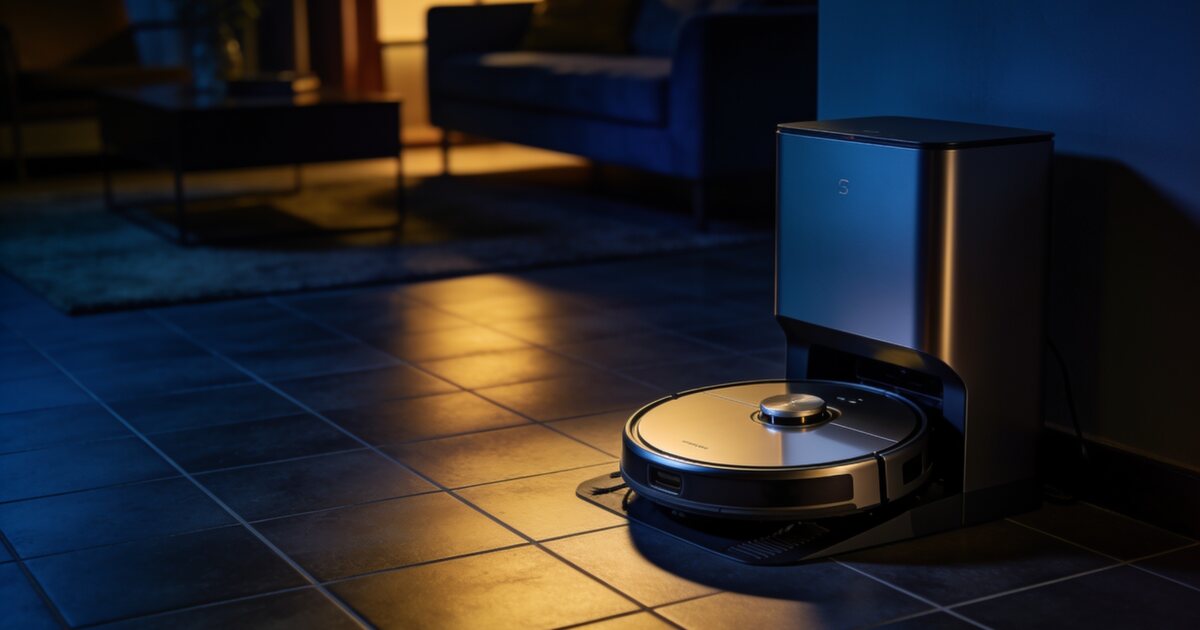
Tiles dominate South African homes, which makes mopping the sleeper feature. Basic robots drag a damp pad — mildly useful. The current generation uses rotating mop pads with downward pressure, which genuinely scrub. Paired with a self-cleaning base station (separate clean and dirty water tanks — the H50's station carries 4L of each), the robot washes its own pads mid-job instead of spreading yesterday's dirt around.
Base Stations: Convenience You Will Not Give Back
Self-emptying dust stations and mop-washing docks turn a "manage the robot" chore into a monthly one. They cost more and take more floor space; almost every owner says they are worth it. If the budget forces a choice, prioritise the base station over the last thousand pascals of suction.
The Load Shedding Question
Robots handle outages surprisingly well: they dock and recharge on schedule, and LDS models resume where they stopped. Two practical tips: schedule cleaning outside your load shedding slots so the dock is powered when the robot returns, and keep the dock on the same circuit as your inverter if evenings are your cleaning window.
What We Recommend
For most homes: an LDS-navigation robot at 8,000Pa+, rotating mops, anti-tangle brushes and a self-cleaning station. That describes the Xiaomi Robot Vacuum H50 almost exactly — read our verdict on its page — with the H50 Pro as the step-up. Browse all options in appliances.
Frequently Asked Questions
Do robot vacuums work on both tiles and carpets?
Yes — modern robots detect carpet and boost suction automatically, and good ones lift their mops so carpets stay dry. Deep-pile shag carpets remain the exception; nothing robotic handles those well.
Are robot vacuums good for pet hair?
They are arguably at their best in pet homes — daily automated passes keep hair from accumulating. Insist on an anti-tangle brush design and at least 6,000Pa, and empty or self-empty frequently during shedding season.
How long do robot vacuums last?
Four to six years typically. Batteries, filters, brushes and mop pads are consumable and replaceable — buying from a brand with locally available spares (mop pads, brushes) matters more than any single spec.
Will it fall down my stairs?
No — cliff sensors are universal and reliable, even on entry models. Very dark floor borders can occasionally confuse older sensors, but current-generation robots handle them fine.