USB-C finally gave us one connector for everything — and then hid the complexity inside the cable. The port on a R200 earbud case and the port on a R40,000 laptop look identical; what differs is the wattage they negotiate. Understand one concept — Power Delivery — and every charging decision becomes easy.
Power Delivery in One Paragraph
When you plug in, charger and device negotiate: the device asks for what it can accept, the charger offers what it can supply, and they settle on the highest match. A phone might take 25W, a tablet 45W, a laptop 65W or 100W. Nothing burns out from an oversized charger — a 100W charger simply gives a phone the 25W it asks for. Buying “too big” is buying future-proof.
The Charger: Why GaN Won
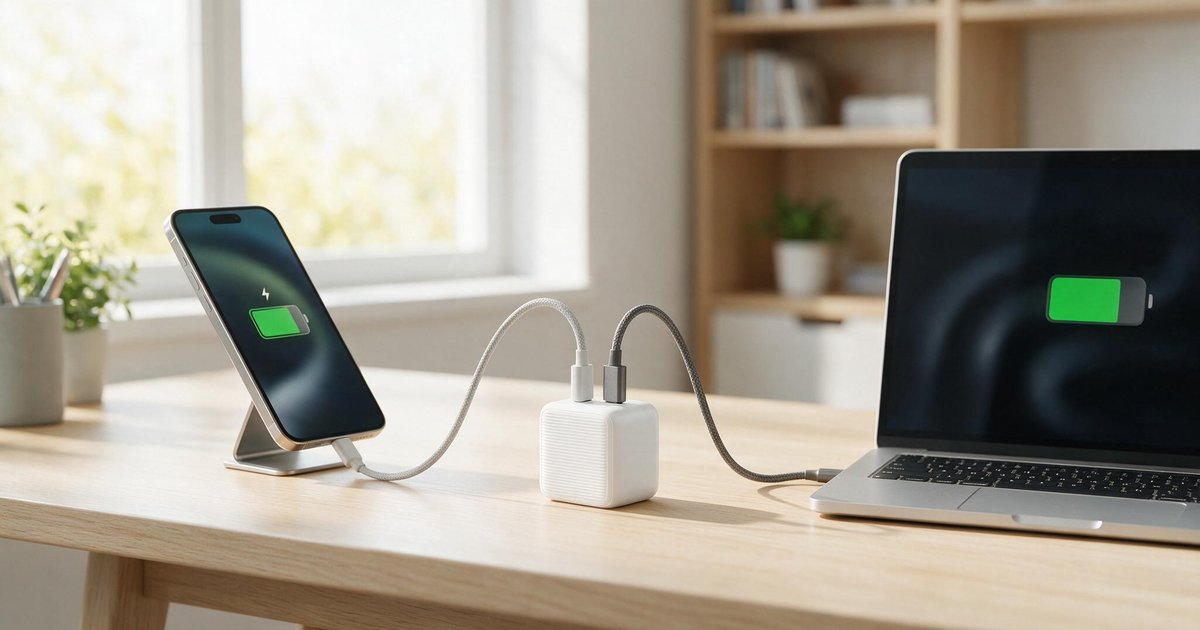
Gallium nitride chargers switch faster and waste less heat than old silicon, which is why a modern 65W GaN charger is smaller than the 10W brick your last phone shipped with. One 100W dual-port GaN charger on the desk replaces the laptop brick, the phone charger and the tablet charger simultaneously. Our USB charger range — heavy on UGREEN, the brand technicians actually buy — states real wattage per port, including how it splits when both ports are busy.
The Cable Is Half the System
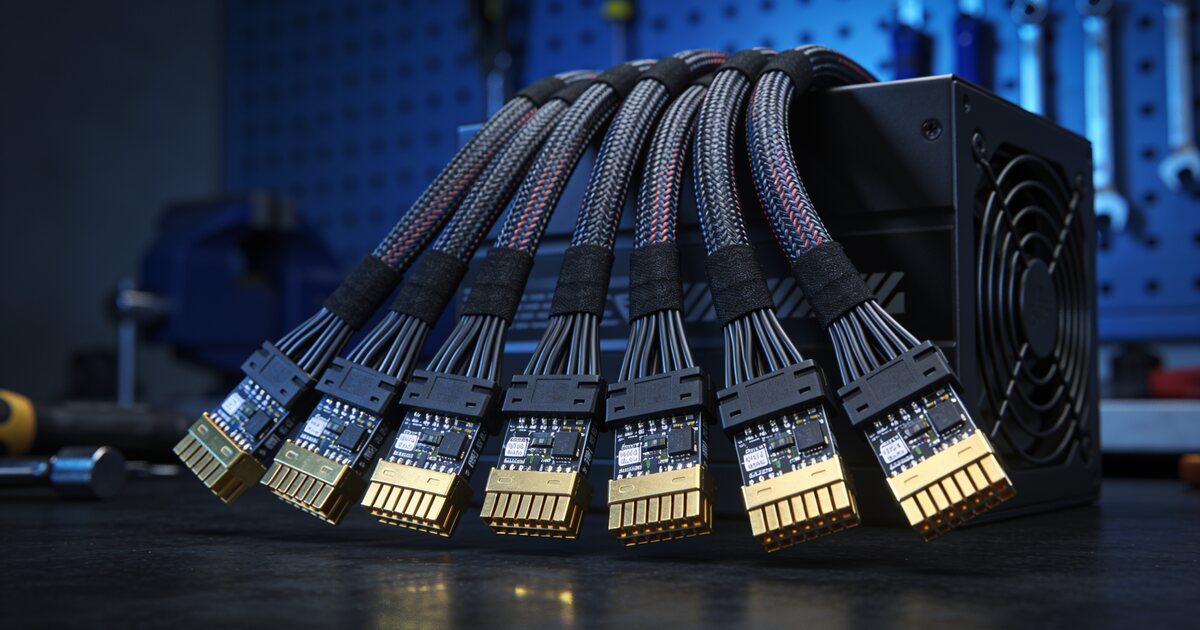
Here is the trap: a 100W charger through a cheap 60W cable charges at 60W. Cables carry their own rating chip. For laptop charging, buy cables explicitly marked 100W (or 240W for the new standard); for data, note that charging cables often carry USB 2.0 data speeds — fine for charging, painful for file transfer. Our USB cable listings state both numbers so you never have to guess.
What About the Old Stuff?
USB-A chargers and micro-USB devices are not going anywhere in a South African household. Multi-port chargers with both A and C ports bridge the transition cleanly, and A-to-C cables charge newer phones from older chargers, just more slowly.
The Desk Kit That Ends the Mess
One 100W GaN charger, two rated 100W cables, one A-to-C for legacy gear. Total cost: less than a restaurant dinner. Result: every device in the house charges from anywhere, at full speed, forever. That is the whole game.